Additions and Expansions in Rhode Island
A well planned home addition should feel like it has always been part of the house. More space, better flow, more light, and a layout that supports how you live now, without losing the character that makes your home feel right.
Toensing Construction builds additions and expansions across Rhode Island with clear communication, organized project management, and craftsmanship you can see from framing to finish trim.
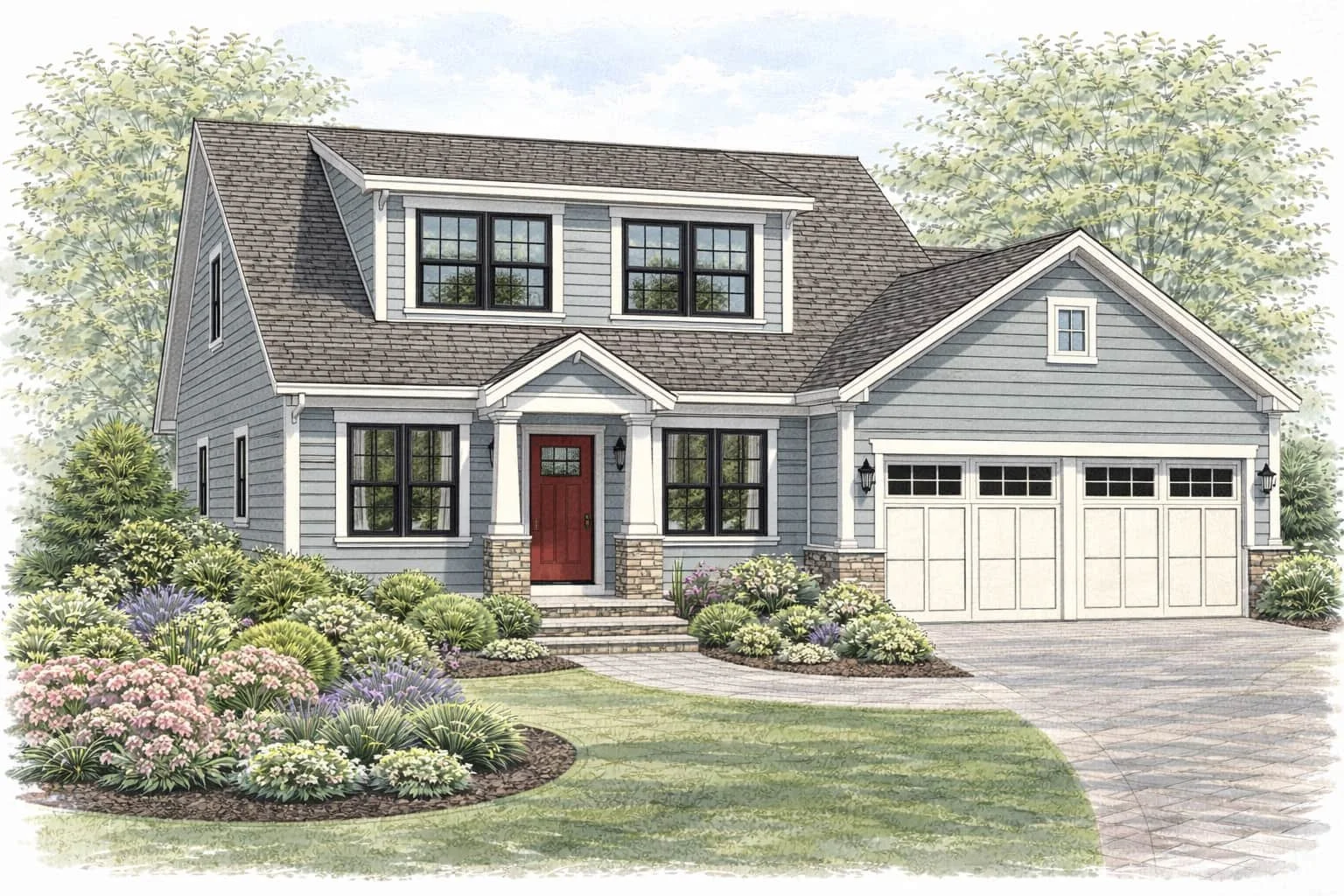
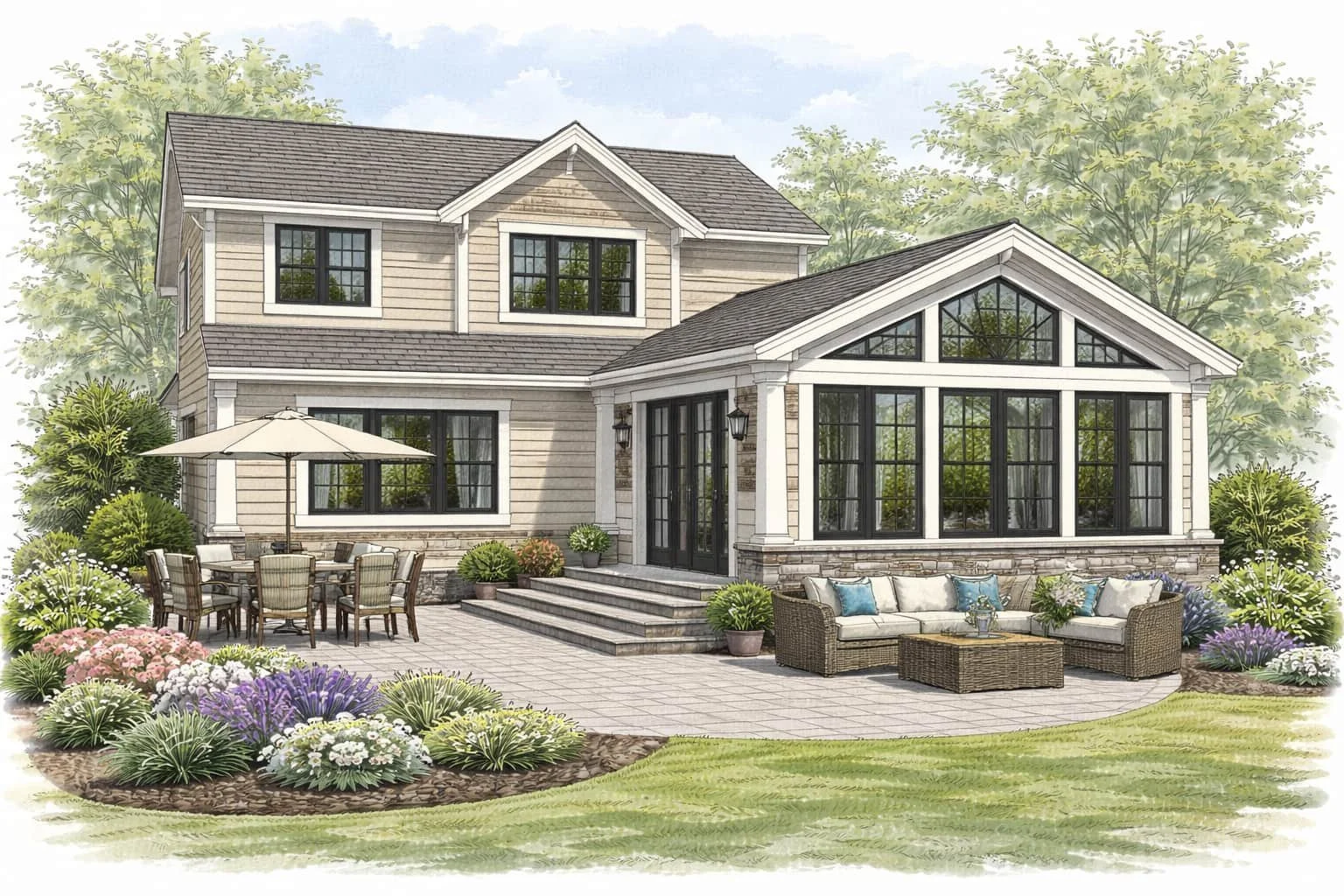
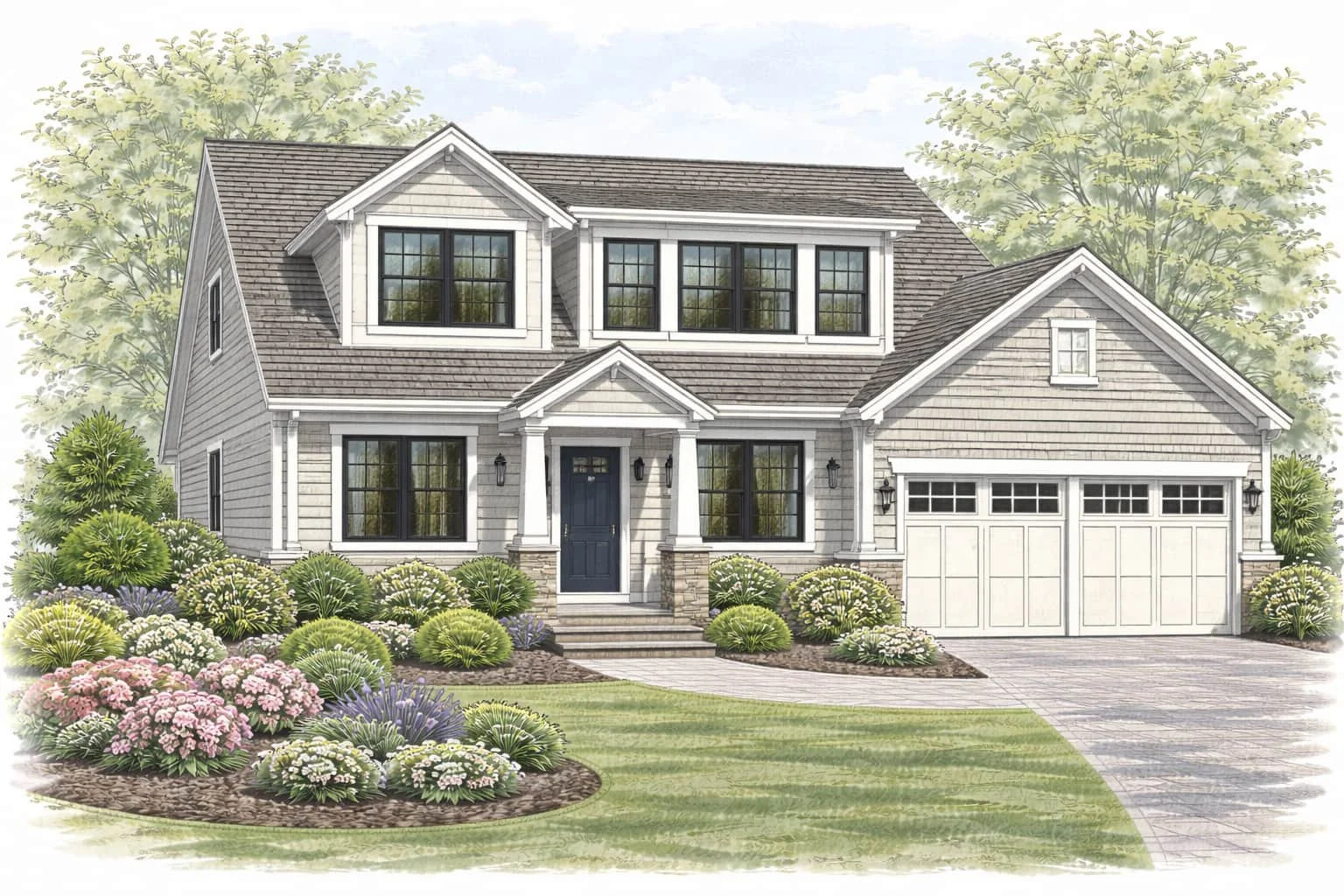
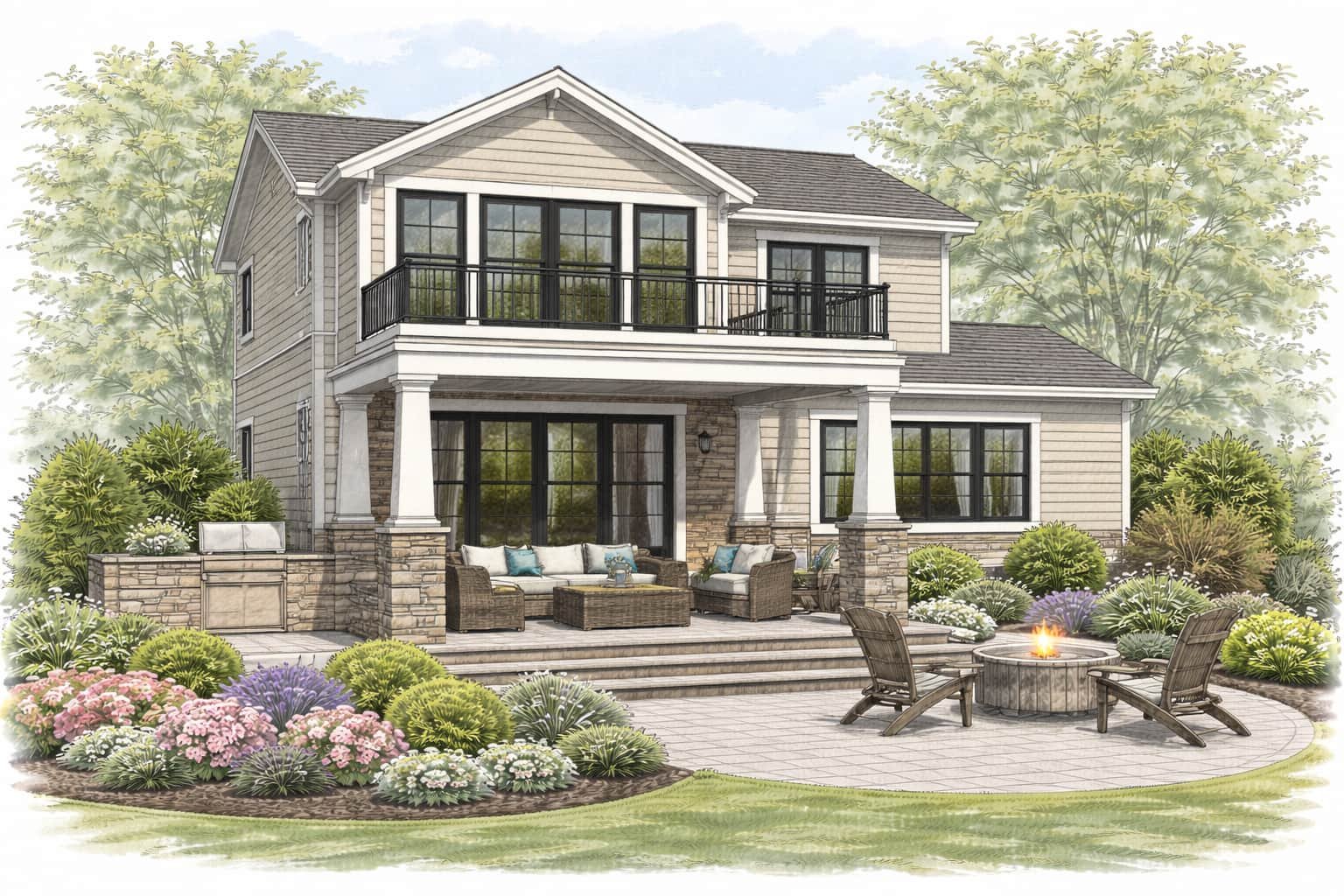
Trust and clarity from the start
Additions involve many moving parts. Our goal is a clear scope, a realistic schedule, and a jobsite that respects your home and neighbors.
Licensed and insured in Rhode Island
Clear scope and pricing before work begins
Organized scheduling and steady communication
Clean jobsite and protection for your home
Finish quality that blends old and new
For full coordination across trades, permits, and inspections, see General Contractor Services.
Additions built for how you live
Homeowners expand for practical reasons, not just square footage.
Common goals include:
A family room that brings everyone together
A primary suite that supports comfort and aging in place
A larger kitchen footprint or better dining flow linked to Kitchens
A new bathroom, laundry, or mudroom linked to Bathrooms
A dedicated office, studio, or guest space
Better circulation so the home feels calmer and more functional
If you are considering a separate unit for guests, rental income, or multigenerational living, explore Accessory Dwelling Units (ADU).
Cost effective addition options for small lots
When yard space is limited, the right addition type can deliver big gains without pushing the project into unnecessary complexity.
-
A small expansion that can dramatically improve function, especially for kitchens, mudrooms, and bathrooms. These projects often connect directly to Kitchens or Bathrooms and can be one of the most cost effective ways to get a better layout.
-
A classic solution when setbacks and lot coverage allow. Rear additions often create the best open flow for family rooms and kitchen dining expansions.
-
A strong choice when building outward is constrained. Building up can increase cost per square foot because structural integration is more complex, but it can preserve yard space and improve resale appeal in the right neighborhood.
If you are deciding between expanding out or building up, we will walk through constraints, structural considerations, and return on investment so the plan fits your home and budget.
What a typical 400 to 800 sq ft addition can cost
Costs vary widely by region, finishes, and complexity. National sources commonly report ranges based on square foot pricing and total project scope.
For Rhode Island specifically, local pricing guides often cite a broad cost per square foot range depending on finish level and complexity.
What drives the budget most
Labor and coordination
Labor often represents a large portion of an addition because you are paying for skilled framing, roofing, mechanical coordination, inspections, and finish work.
Structure and enclosure
Foundation, framing, roofing tie in, windows, doors, insulation, and weatherproofing are major cost drivers.
Mechanical scope
Electrical, plumbing, HVAC changes, and sometimes service upgrades can move the budget quickly.
Finishes
Flooring, trim, tile, cabinetry, and built ins define the final feel. For trim matching and built ins that make the addition look original, see Custom Carpentry.
A simple budgeting method that stays realistic
Define scope first, then select finish level
Identify known constraints early, like site access, existing utility locations, and older home conditions
Include a contingency, especially for older Rhode Island homes
Build allowances for finishes so selections do not cause surprises mid project
Timeline and milestones you should expect
Timelines vary by scope, but most mid size additions follow predictable milestones.
Typical phases
Planning, design, and selections
Site review, feasibility, early budget alignment, design coordination, and long lead ordering.Permits and approvals
Building permit application, zoning review if needed, and any required inspections scheduling.Site work and foundation
Excavation, footings, foundation, drainage planning, then backfill.Framing and dry in
Framing, roof tie in, windows and doors, weatherproofing, then rough mechanical work.Insulation and interior finishes
Insulation, air sealing, drywall, trim, flooring, paint, and finish details.Final inspections and closeout
Punch list, final approvals, and handoff.
We set expectations early and keep communication steady through General Contractor Services so you always know what is next.
Designing for natural light and energy efficiency
A family room addition should feel bright and comfortable year round, not hot in summer and cold in winter.
-
Place windows for balanced daylight, not glare
Use transoms or higher windows when privacy is a concern
Consider a vaulted ceiling or clerestory window placement when it fits the architecture
Create sightlines to outdoor views where possible
-
Better insulation and air sealing to reduce drafts
High performance windows, especially in exposed or coastal conditions
HVAC zoning so the new space is comfortable without overheating the rest of the home
Ventilation planning to manage humidity
Energy efficient upgrades often add upfront cost, but can improve comfort and long term operating costs.
Window upgrades may also be eligible for federal credits in some cases, depending on product and installation details.
For window scope within an addition, see Window Replacement.
Resale value and ROI considerations
Resale impact depends on your neighborhood, how well the addition blends with the home, and whether the new space aligns with what buyers want locally. National cost and value data is useful for understanding which types of projects tend to hold value best, and it consistently highlights the importance of quality execution.
A practical way to think about value:
Add space that fixes a real functional gap, like an extra bedroom, a true primary suite, or a family room that improves daily living
Ensure exterior proportions and finishes look original to the home
Keep the addition consistent with the neighborhood, not radically overbuilt for the street
If you want guidance on scope decisions that protect value, we will talk it through during consultation.
Risks and pitfalls we plan for
Additions go best when risks are identified early and managed with a clear plan.
Common risks include:
Foundation and drainage issues that can affect settling and water management
Older home conditions, including out of level framing and hidden rot
HVAC and electrical limitations, including undersized circuits or outdated wiring
Water management details, especially roof tie ins and flashing
We plan for these risks up front and handle trade coordination through General Contractor Services.
Permits, zoning, and approvals in Rhode Island
Additions typically require a building permit, and the application commonly includes a site plan showing the lot, existing structures, proposed construction, and setbacks.
Zoning rules often involve setbacks, height limits, and lot coverage, and if a proposed addition violates dimensional requirements, a variance may be needed.
Because requirements vary by town, we help you understand what applies and coordinate the process through General Contractor Services.
If your home has historic constraints or you want a preservation minded exterior match, see Historic Restorations.
How to evaluate bids and choose the right contractor
A good bid is not just a number. It is clarity.
When comparing bids, look for:
A defined scope that spells out what is included and what is excluded
A realistic timeline with key milestones
Clear allowances for finishes, windows, and fixtures
A plan for change orders so decisions stay predictable
Proof of licensing, insurance, and relevant experience
If you want a team that coordinates the full process and protects quality, this is exactly what we do through General Contractor Services.
What’s included in our additions and expansions
We keep the scope clear and organized so you know what to expect.
Site visit, feasibility review, and scope planning
Design coordination with your architect or designer, or support selecting one
Budget alignment before major decisions
Permit planning and inspection coordination
Site protection and jobsite setup
Excavation and foundation coordination as needed
Framing, structural integration, and exterior tie in
Roofing and weatherproofing details
Window and door coordination, including Window Replacement when it fits the scope
Rough electrical, plumbing, and HVAC coordination
Insulation, air sealing, and moisture management
Drywall, trim, flooring, and finish carpentry
Final walkthrough, punch list, and closeout
For trim matching, built ins, and the details that make the addition feel original, see Custom Carpentry.
Our process
We follow the same process across services so projects feel organized.
Consultation and site visit
We discuss goals, review the home, and look at property constraints and feasibility.Scope and budget alignment
You receive a clear plan that outlines what is included, what is optional, and how the budget will be structured.Design details and selections
We coordinate design, confirm structural approach, and align finish selections that match the home.Schedule and build
We manage trades, keep communication steady, and protect the home throughout construction.Final walkthrough and closeout
We complete the punch list, review finishes, and ensure the addition is ready to enjoy.
Related services
-
![Accessory Dwelling Units (ADU)]()
Accessory Dwelling Units (ADU)
-
![Kitche Remodels]()
Kitchens
-
![Bathrooms]()
Bathrooms
-
![Window Replacement]()
Window Replacement
-
![Custom Carpentry]()
Custom Carpentry
-
![General Contractor Services]()
General Contractor Services
-
![Historic Restorations]()
Historic Restorations







Additions and Expansions FAQs
How much does a home addition cost on average in 2025?
Costs vary by region and complexity. National guides commonly cite wide ranges and also price per square foot estimates for additions.
For Rhode Island, local guides often cite a broad per square foot range depending on finish level and scope.
How long does it take to build a home addition?
Timeline depends on design complexity, permit timing, and material lead times. Most additions follow milestones from planning and permits, to foundation, framing and dry in, then interior finishes and closeout.
Do I need a permit for a home addition?
Typically yes. Additions usually require a building permit and a site plan, and may require zoning review depending on setbacks and lot coverage.
What are the building code requirements for home additions?
Additions must meet structural, energy, and safety requirements, and inspections are typically required at key stages. Requirements vary by town, but permit processes generally reference state building code provisions administered locally.
What are the most cost effective additions for small lots?
Bump outs and well planned rear additions are often cost effective when zoning allows. Dormers and building up can preserve yard space but may increase cost per square foot due to structural complexity.
Can I add a room without a foundation?
Some additions use different foundation approaches depending on site and design, but structural and code requirements still apply. We evaluate feasibility based on soil, drainage, frost depth, and how the new structure will tie into the home.
What energy efficient upgrades should I pair with an addition?
Insulation, air sealing, high performance windows, and HVAC zoning often deliver the biggest comfort improvements and long term savings.
How do I plan a kitchen or bathroom addition?
These projects often combine layout planning, plumbing and electrical coordination, and finish selections. Start with goals and workflow, then align scope and allowances early. Related pages: Kitchens and Bathrooms.
What is the ROI on adding a second story?
ROI depends on neighborhood demand and execution quality. Building up can be one of the most transformative options, but it is also structurally complex and typically higher cost per square foot than building out.
Ready to plan your addition?
If you want more space, better flow, and an addition that feels like it belongs, we can help.